


Fellow Statements
Douglas McLaurin
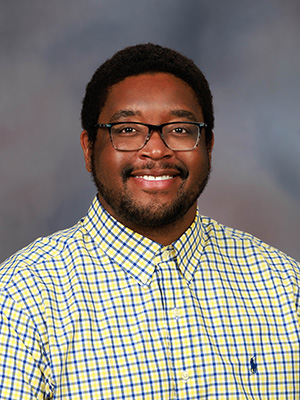 Growing up, there was always this talk of things "running in the family," whether in reference to my own family or others. Before I really knew what it was, I found myself fascinated by the concept of genetics and the passing down of traits, both the good and the bad. This long-standing interest was part of why I pursued a career in biomedical science and eventually completed my PhD in Cell and Molecular Biology at the University of Mississippi Medical Center. My dissertation involved the development and characterization of a zebrafish model utilizing CRISPR/Cas9 genome editing, and while working on my dissertation, I also participated in a public health training program through the Jackson Heart Study, where I engaged in a genetic epidemiology project aimed at assessing the use of genetic risk scores. My graduate work refined my understanding of how we can use genetic information to improve how we diagnose, treat, and potentially even cure disease.
Currently, I am a postdoctoral researcher working under the guidance of Dr. Michael Garrett, an expert in the genetic basis of complex disease and the implementation of various omic technologies. I have brought my molecular biology and genetic epidemiological training into the Garrett Lab where I engage in three projects focused on 1) uncovering genetic contributions to cardiac hypertrophy utilizing the All of Us Research Program, 2) monitoring variant-specific phenotypic presentations of mTTR cardiac amyloidosis in collaboration with the UMMC Amyloidosis Clinic, and 3) implementing multi-omic technologies in the diagnosis of rare and complex disease as part of Project Baby Magnolia. My primary goals for this fellowship are to build my skills in genomic analyses, learn to develop and execute clinical research studies, and advance my knowledge of omic technologies. After my current fellowship, I will pursue a clinical laboratory genetics fellowship where I will gain the training necessary to become a clinical laboratory director. In this role, I will facilitate genetic testing using current methodologies while also supporting the development of clinical studies that innovate how we conduct genetic testing.